
Article
Honest editing: what photo edits are fair in a listing
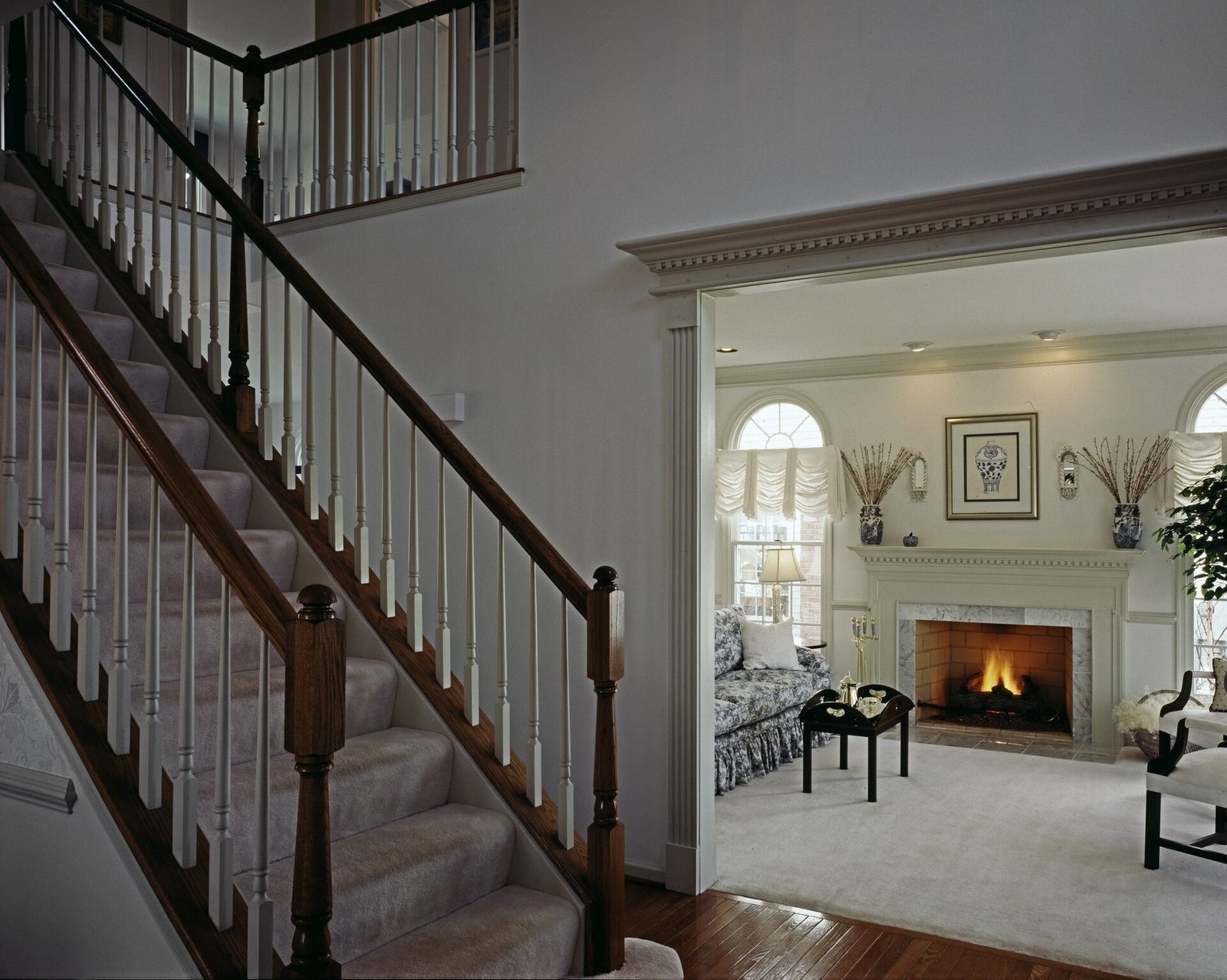
A fair edit makes the photo look the way the home looks to a person standing in it on a good day: correct brightness, true color, straight walls, a clear view through the window. An unfair edit changes the property itself, by removing, adding or repairing something that a buyer would find different at the showing. HAR's rules draw the line in the same place, and they require a watermark when an image alters the real property.
What does normal editing fix?
Cameras do not see the way eyes do. Your eye handles a bright window and a dark corner in the same glance. A camera cannot, so an unedited interior comes out with white, blown out windows or a gloomy room, and sometimes both. Editing puts that range back. That is why a professionally edited living room shows the furniture, the ceiling and the back yard through the glass all at once. Nothing about the house has changed. The photo has just caught up with what you would see in person.
Color is the second fix. Houston homes mix warm bulbs, cool daylight and the green cast that comes off a lawn or a stand of trees through the windows. Left alone, white cabinets turn yellow or blue. Correcting that so white reads as white, and the paint color matches the wall, is accuracy, not trickery.
The third is geometry. Straightening vertical lines so walls and door frames stand upright, leveling the horizon and correcting lens distortion at the edges are all standard. So are small cleanups of things that are not part of the property: a sensor dust spot, the photographer's reflection in a mirror, a glare on a framed picture.
Where does editing cross the line?
It crosses the line when it changes what the buyer is buying. Removing power lines, a utility pole, a cell tower, the neighbor's house or the commercial building behind the fence. Erasing ceiling stains, wall cracks, damaged siding, worn carpet or a rusted gate. Turning brown grass green across a whole yard. Adding a fence, a tree line or water in a dry pond. Repainting rooms in software without saying so.
Each of those hides or invents a feature of the real property or its surroundings. The buyer will find out at the showing, usually in the first two minutes, and the person standing next to them will be you. At best you have wasted a showing. At worst you have handed someone a misrepresentation complaint. Photos that overpromise do not sell homes faster. They produce showings that end in the driveway.
Stretching rooms belongs on the same list. An extremely wide lens, or a photo stretched sideways in editing, makes a ten foot bedroom look like a suite. It is not a pixel edit, but the effect is the same: the photo says one thing and the house says another.
What do HAR's rules say about altered photos?
HAR's MLS rules address this directly. Rule 1.25.5 says images submitted to the MLS shall provide an accurate illustration of the listed property in its as-is condition, which can include the property's immediate vicinity, and that HRIS may remove images it deems inappropriate, inaccurate or objectionable.
Rule 1.25.1 then sets out what happens when an image has been changed. Digital images modified or enhanced to alter real property characteristics must contain a visible and legible watermark across the bottom of the image with this disclaimer: Image does not represent actual property as is. The rule sets a minimum size for that disclaimer and specifies Arial font. An image where real property is digitally altered may not be used as the primary image, and the listing agent must submit an unaltered image with the same view as an adjacent image.
The same rule covers added furniture. HAR allows virtual staging, limited to furnishings and wall decor that would be considered personal property and would not convey, and the agent must clearly indicate in the Photo Description that the image has been virtually staged. We do not offer that service, but if you use it from another source, those are the labeling terms HAR sets.
Read the current wording before you rely on it. The rules document is linked in the sources for this article, and HAR revises it.
What about sky replacements and green grass?
This is the gray area agents ask about most. Houston gives you a lot of flat white skies: summer haze, humidity and afternoon storm build up can wash out the sky even on a dry day. Swapping a blank white sky for a blue one with a few clouds does not change the real property, and most of the industry treats it as acceptable. The sky was blue yesterday and it will be blue again tomorrow.
It stops being fair when the sky tells a lie about the property. A dramatic sunset behind a house that faces the wrong way, or a sky that hides the fact that the photo was taken in heavy rain with standing water in the yard, are both past the line. Keep replaced skies plain and believable.
Grass is closer to the property itself. A light lift in color on a lawn that is alive but dull is a color correction. Painting a dead or bare yard green is an alteration of a real property characteristic, and under HAR's rule it would need the watermark and an unaltered twin. In a dry August, the honest options are to water for a couple of weeks before the shoot, or show the yard as it is.
Fire in the fireplace and images on a television screen are small, common edits that do not change the property. Use them lightly or skip them. They add little.
Is it fair to remove temporary items?
Generally yes, if the item is truly temporary and not part of the property: a garden hose, a trash can that was missed, a car parked at the curb, a contractor's sign, a cord across a floor. These are things the buyer will not find at closing. Still, physical prep beats editing every time. Moving the trash cans takes one minute. Editing them out of four exterior angles takes much longer and never looks quite as clean.
Ask yourself whether the item is a condition of the property or an object sitting on it. A stain on the driveway is a condition. A bucket on the driveway is an object. Conditions stay in the photo.
What is a simple test for any edit?
Picture the buyer at the front door with the listing open on their phone. If they will look up and see what the photo showed, the edit was fair. If they will look up and notice something missing, added or repaired, it was not, and under HAR's rules it needed a label.
A second test: would you be comfortable explaining the edit to the buyer's agent on the phone? Brightening a dark room passes. Deleting the transmission tower behind the back fence does not.
Good listing editing stays with the first kind: exposure, color, straight lines and clear window views, so the gallery matches the house. Our photos come edited and sized for HAR. Photos are $100 flat for any size home and $125 with drone, and you can choose a date online at rephotosvideos.com/book.
See our Listing Agents work, or browse everyone we shoot for →