
Resource
Shoot Day Guide
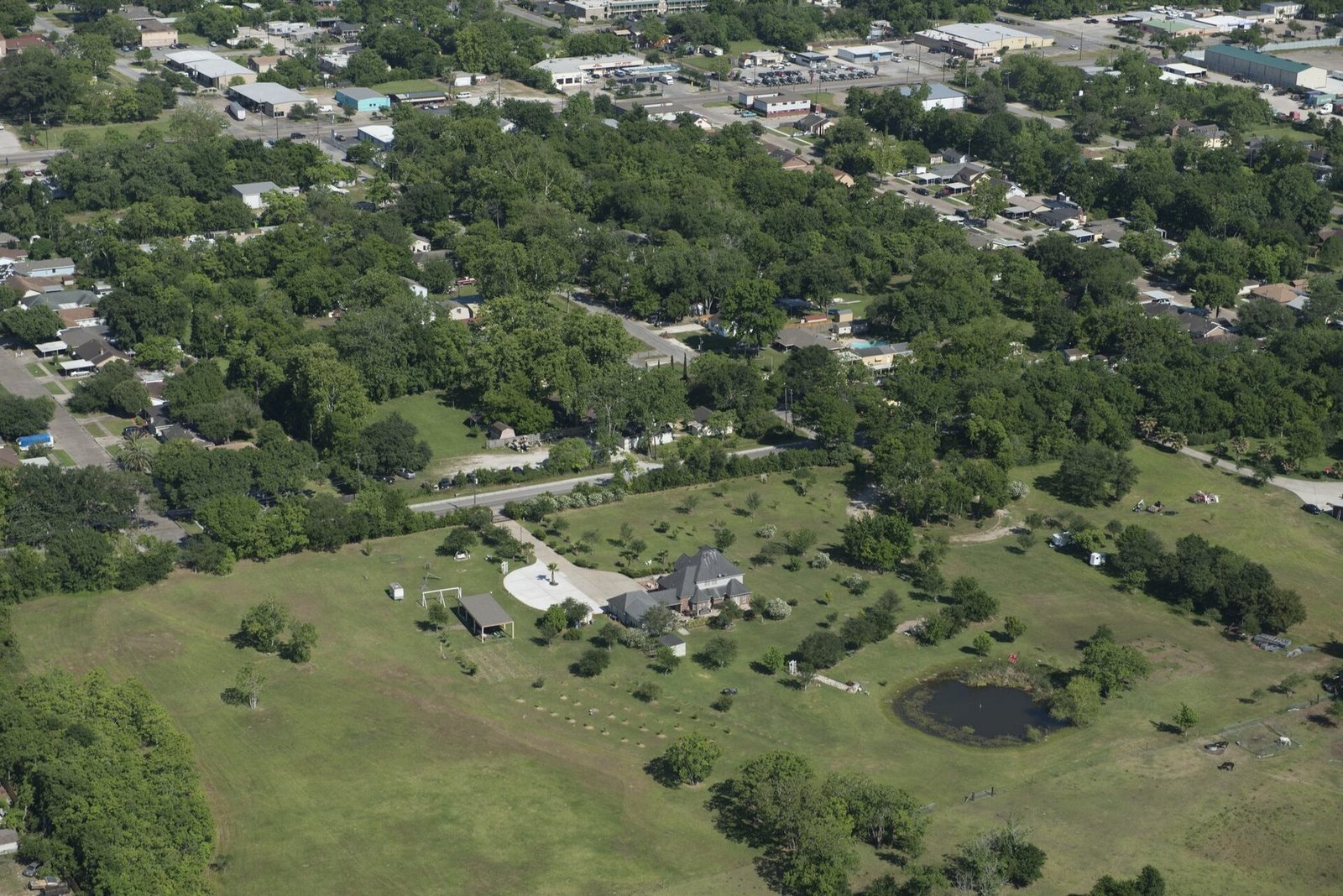
On shoot day we let ourselves in with the lockbox or gate code you gave us at booking, photograph the interior and exterior in one quick visit, and lock up when we leave. You do not need to be there, and the edited photos arrive in an online gallery sized for HAR and the web.
That is the whole day when it goes well, and it goes well when a few things are settled ahead of time. This guide walks through each of them in order: the booking, the access details, who should and should not be at the house, the weather, the drone, and what to do when the gallery arrives. Most problems on a shoot day were really problems two days earlier, so that is where we start.
It starts with the booking
Booking is online at rephotosvideos.com/book. You pick a package, pick a date, and add the access details. The three flat priced packages are Photos at $100, Photos + Drone at $125, and Drone Only at $40. The price is the same whatever the size of the home. If we have given you a code, you enter it at checkout. If your brokerage or builder has an account, your team books at that price. The price on the package is the price you pay.
A booking is a request. We review it and confirm it with you, and nothing is charged until we confirm. Until you hear the confirmation, treat the date as asked for, not set. Do not tell the seller to take the morning off work on the strength of a request alone.
Give the full property address, including the unit number for a condo or an apartment. If aerials are part of the package, the exact address is also what we use to check the airspace before the flight, so a wrong street number can mean a wrong answer.
Edited video and commercial properties are by quote and do not go through the booking form. Use the contact page for those. If you need photos and video on the same listing, tell us and we plan the work together.
Access: the part that makes or breaks the schedule
The service is built so the agent does not have to walk the home with us. That only works if the access details are complete. Think through the trip from the street to the front door the way a stranger would make it.
Start with the community. Greater Houston is full of gated neighborhoods, and they come in a few kinds. Some have a keypad, and we need the code. Some have a guard house, and the guard needs our name on a list or a call from the agent or the owner. Some lock the gates at certain hours. Put whichever applies in the booking notes. If the guard will only admit vendors the homeowner has registered, register us before shoot day.
Then the door. Tell us where the lockbox is, not only the code. A box on the front door is obvious. A box on the gas meter around the side, on the back gate, or on a railing by the garage is not. If it is a electronic box that needs an agent's app, tell us how you want to handle that, because we cannot open it with a code. A contractor style combination box is the simplest answer for shoot day.
Then the alarm. If the home has one, give us the code and tell us where the keypad is, or have the seller leave it off that day. An alarm going off in an empty house with a stranger inside is a bad start.
Last, anything odd. A deadbolt that sticks. A back door that has to be pulled hard to lock. A key that works only upside down. A gate to the backyard with a padlock. A dog next door that comes through a gap in the fence. The more we know, the faster the visit goes.
Who should be there
Nobody has to be. For a vacant home, that is the simplest and the best arrangement.
For an occupied home, the sellers may stay if they need to, but the shoot goes faster and the photos are cleaner when the house is empty. People appear in mirrors and windows, and a wide lens sees through doorways into the next room. If the sellers are home, ask them to stay in one place, such as the back patio, and move when we get there. It is a quick shoot, so it is not a long time to be out of the way.
Agents sometimes want to be there to make small adjustments, and you are welcome. Just be clear with your seller about who does what. The photographer photographs. We do not make beds, clear counters, move furniture or put away laundry, and on a quick shoot there is no room in the schedule for a house that gets ready while we wait. The home needs to be photo-ready when we arrive.
Tenants and occupied rentals
A rental with a tenant still living in it takes the most coordination. The tenant has no stake in how the photos look, and the lease usually controls how much notice they must get before anyone enters. Give the notice your lease and your broker require, in writing, and tell the tenant the date and what to expect.
Ask for the basics: beds made, dishes put away, counters cleared, laundry off the floor, pets secured. Some tenants will do it and some will not. If the home is going to look rough no matter what, consider waiting until they move out and the make-ready is done. An empty, clean rental photographs better than a cluttered one every time, and the photos can be reused the next time the lease turns.
Personal belongings are a privacy matter too. Ask tenants to put away mail, prescriptions, family photos and valuables. Listing photos are public.
The house should be ready before we arrive
Our Photo-Ready Home Guide covers prep room by room. For shoot day itself, the short version is this. Every light on, including lamps and the range hood. Every blind open. Ceiling fans and televisions off. Toilet lids down. Kitchen and bath counters cleared. Beds made. Trash cans hidden. Pet bowls, beds and toys put away. Cars out of the driveway and off the curb in front. Hoses rolled up. Pool cleaner out of the water.
For a vacant home, confirm the utilities. The power has to be on for the lights. In Houston the air conditioning should have been running too. A closed up house in August is hot and damp, and when a camera comes in from an air conditioned car, the lens fogs, and so do the windows. If the power is off, the fix is a phone call you make days ahead, not something that can be solved at the door.
If there is a yard sign with your name and number on it, remember that HAR does not allow legible contact information on listing images. Put the sign up after the shoot, or tell us it is there so the front can be framed without it.
How the visit goes
We let ourselves in with the access you provided. We photograph the exterior, front and back, and the interior rooms and spaces a buyer or a renter needs to see. If the package includes drone, the aerials are flown by an FAA Part 107 certified pilot during the same visit, conditions allowing. Then we turn off what we turned on, lock the doors we unlocked, put the key back in the box, and close the box.
If something is wrong when we get there, such as a code that does not work, a gate we cannot get through, or a home that is clearly not ready, we will contact you from the property. Keep your phone near you around the time of the shoot. Most of these get solved in a two minute call if someone answers.
If there are things you especially want photographed, say so in the booking notes. The view from the upstairs balcony. The wine room behind the dining room. The new roof. The detached workshop at the back of the lot. We photograph what a buyer needs to see, but you know what makes this home different, and we would rather hear it before the shoot than after.
Houston weather on shoot day
The weather here has a personality, and it is worth planning around.
In the hot months, book mornings. Summer afternoons bring storms that build quickly, often with gusty wind ahead of them. Heat and haze also get worse as the day goes on. A morning shoot gets cleaner light, calmer air for the drone, and much better odds of staying dry.
An overcast day is not a problem for interiors. Soft, even light through the windows can be easier to work with than hard sun. Exteriors are edited, so a gray sky does not ruin a front photo. Steady rain is different. Wet pavement, dripping eaves, puddles in the yard and drops on the lens do not make good exteriors, and a drone does not fly in rain at all.
After a heavy rain, the yard may hold standing water for a day. Flat terrain and clay soil drain slowly. If your date falls right after a big storm and the yard is a pond, tell us. After high wind, walk the lot or ask the seller to: fallen branches, a fence panel down, or leaves covering the pool all show in the photos.
If the weather makes a shoot unsafe or pointless, we work out a new time with you. Nobody benefits from photos of a house in a downpour.
If a drone is part of the shoot
Aerials add a few steps, and we handle them, but it helps to know they exist.
Before each flight, we check the exact address. Large parts of the Houston area sit inside controlled airspace around IAH, Hobby, Ellington and smaller towered airports. Inside that airspace, a drone flight needs FAA authorization first, and close to an airport the height allowed can be limited. Often the authorization is quick. Sometimes it takes planning. A few locations cannot be flown at all. We tell you where your address stands before shoot day, so you are not promising a seller aerials that cannot happen.
The FAA's Part 107 rules cap drone flights at 400 feet above the ground, and the pilot has to keep the drone in sight. Neither limit gets in the way of a listing photo. The best aerial of a house is usually taken much lower than that.
It helps to tell the seller what day the drone is coming, so they can let the neighbors on either side know. A drone that was expected draws far less attention than a surprise. In a gated or HOA community, mention the drone when you arrange access, in case the management office has vendor rules.
From above, the camera sees things the street never does: the side yard, the roof, the space behind the shed. If the package includes aerials, ask the seller to tidy those too.
After the shoot: your gallery
Your photos are edited and delivered in an online gallery. Each photo comes in two sizes. One is sized for HAR and the MLS, and the other is sized for the web.
Download the MLS set to the computer you upload from, and load it into Matrix. Do not pass the files through a text message or a chat app first, because those compress images and the loss shows. Choose your first photo on purpose, since it becomes the thumbnail, and put the rest in the order a person would walk the home. HAR requires at least six unique photos on most residential and rental listings, loaded within 10 days of the list date, and it limits how many a listing can carry. Check the current maximum in Matrix.
Use the web set for everything else: your website, your social posts, your email to buyers and agents, and the flyer in the box out front. If the package included Drone Only clips, remember they are unedited, straight from the drone. They are raw material for your own social posts, not a finished video.
Save a copy of the whole gallery somewhere you can find it. If the listing is a rental, you will want those files again the next time the lease turns.
The five things that most often go wrong
Nearly every shoot day problem is one of these. The gate code was missing or the guard was not told. The lockbox was somewhere other than the front door and nobody said where. The power was off in a vacant home. The home was not ready and the seller expected the photographer to wait. Or the agent could not be reached when one of the first four happened.
All five are solved in the booking notes and with a charged phone. Spend three extra minutes on the notes and the day takes care of itself.
Ready to pick a date
If the listing is signed and the home is on track to be ready, send the request. Choose the package and the date at rephotosvideos.com/book, fill in the access notes with everything above in mind, and watch for our confirmation. If you want to see the three flat prices side by side first, they are on our pricing page.