
Article
Wide-angle lenses in real estate: how wide is too wide
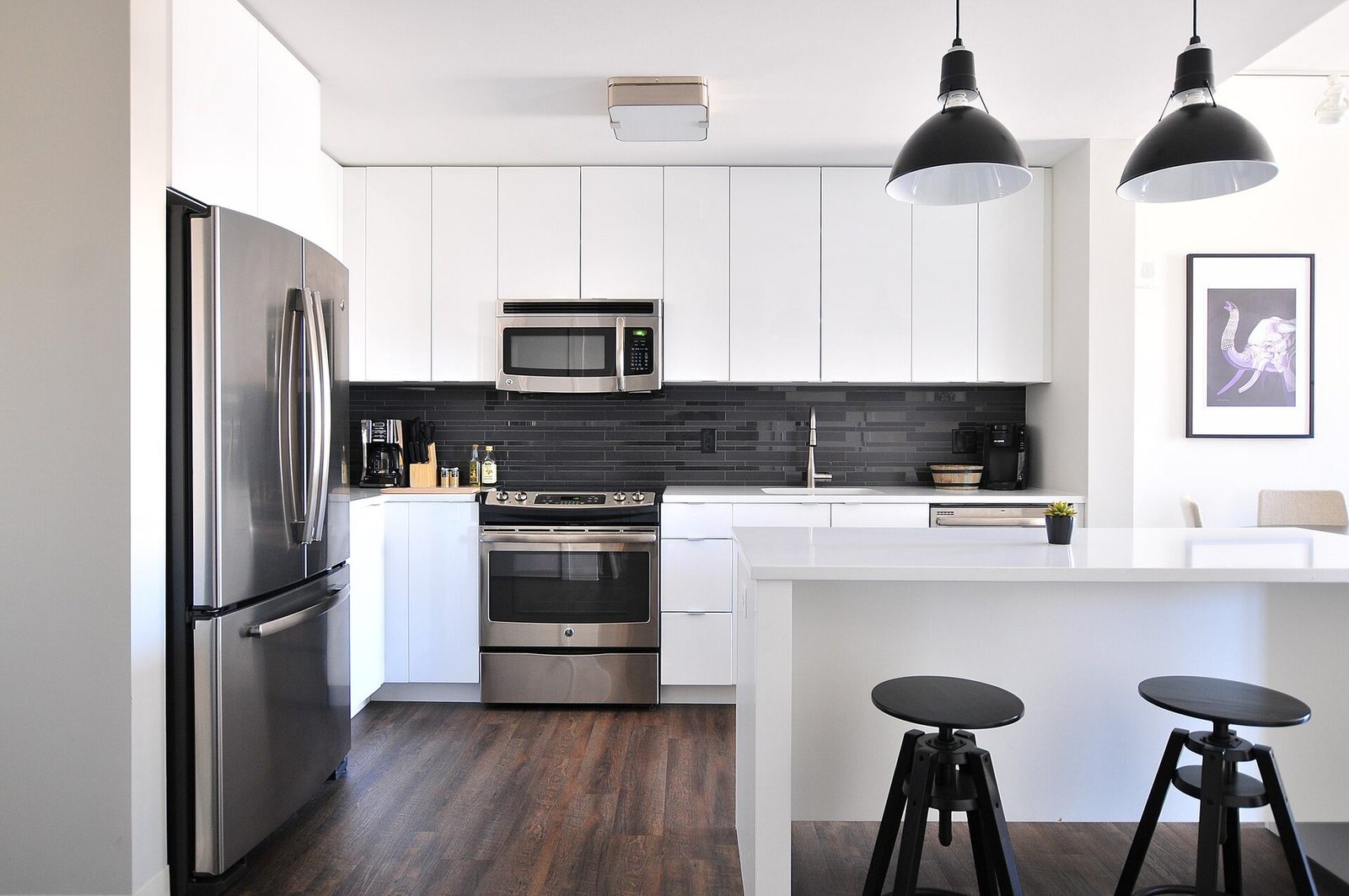
A lens is too wide when objects near the edges of the photo stretch out of shape and the room looks deeper than it is in person. Real estate photos need a wide lens, because you cannot back up through a wall, but the useful range stops short of the extreme end. In full frame camera terms, most good interior work happens somewhere between about 16 and 24 millimeters, and the widest settings are saved for rooms where nothing else fits.
Why do listing photos need a wide lens at all?
Your eyes take in a very wide field of view, and they scan. Standing in the doorway of a bedroom you perceive the whole room at once. A normal camera lens, like the main camera on a phone, captures only a slice of that. A photo of a bedroom taken with it shows a bed and part of a wall, and tells a buyer nothing about the room.
A wide-angle lens brings the photo closer to the experience of standing there. It lets one frame show three walls, the window, the closet door and the floor, so a viewer understands the shape and size of the space. That is the entire purpose of a listing photo, which is why wide lenses are standard equipment in this work.
What actually goes wrong when the lens is too wide?
Two things happen, and both are geometry, not a defect in the lens.
The first is edge stretching. The wider the lens, the more anything near the sides and corners of the frame is pulled outward. A square ottoman becomes a rectangle. A round dining table at the edge becomes an oval. A refrigerator at the far right looks twice as wide as the range in the middle. People are especially sensitive to this on objects they know well, like toilets, chairs and ceiling fans.
The second is exaggerated depth. Very wide lenses push the far wall away and make near objects loom. A twelve foot living room looks like a bowling lane. The corner of a kitchen island next to the camera looks enormous while the breakfast area behind it looks tiny and distant. The room seems large, but the proportions are wrong, and the brain registers it as fake.
There is a third cost that is easy to miss. Extreme width includes more ceiling and more floor, so a larger share of the photo is blank painted drywall and carpet. The parts of the room that sell it, the windows, the fireplace, the cabinets, shrink toward the middle.
So how wide is about right?
Think of it as three zones, described the way photographers do for a full frame camera.
From about 20 to 24 millimeters, the photo looks natural. Furniture keeps its shape and depth looks right. This range works for large living areas, open kitchens, primary bedrooms and most exteriors, and it is where a photographer should be whenever the room allows it.
From about 16 to 20 millimeters, you get the working range for ordinary rooms. Secondary bedrooms, dining rooms and most baths in Houston homes need this much width to show the room from the doorway. Stretching is present but mild, and careful composition keeps objects away from the edges where it would show.
Below about 16 millimeters, you are in the extreme range. It has honest uses, such as a tiny powder room, a closet or a galley kitchen where the only alternative is no photo at all. As a default for every room, it produces the stretched, cavernous look that makes buyers distrust a listing.
Phones add a wrinkle. The ultra wide camera on most phones is in that extreme range, and it has less correction than a dedicated lens, so the edges smear badly. If you are shooting your own lease photos, the ultra wide setting is tempting in a small room, but stepping back into the doorway and using the main camera, or the ultra wide held perfectly level with important objects centered, will look better.
How does a photographer show a whole room without going too wide?
Mostly by choosing where to stand. Backing into a doorway or a corner buys several feet of distance, and distance does what width would otherwise have to do. Shooting along the diagonal of a room shows two walls at full length without needing the extreme end of the lens.
Composition handles the rest. Keep recognizable objects, especially round ones and ones with known sizes, toward the middle of the frame. Let the edges hold things that tolerate stretching, like a plain wall, a curtain or a run of floor. Keep the camera level, since tilt and width multiply each other's distortion.
And sometimes the answer is two photos. A large open plan in a Katy or Cypress new build does not have to fit in one frame. One photo from the kitchen toward the living area and one from the living area back toward the kitchen explains the space better than a single shot wide enough to show both ends at once.
How can you tell if a listing went too wide?
You can check any gallery in a minute with four tests. Look at objects near the left and right edges and ask if they look like their real shape. Look at the ceiling fan, which should be round, not an oval leaning toward a corner. Compare the near corner of the kitchen island or the bed to the far wall and ask if the difference in size feels believable. Then ask the simple question: will this room feel this big when someone walks in?
If the answer to the last one is no, the photos will generate showings that end in disappointment. That costs you more time than a slightly less dramatic photo ever would. It matters most on leases and entry level listings, where prospects often decide from the photos alone and arrive ready to sign or ready to be let down.
Does a wider lens ever help sell?
It can help get a click. It does not help get an offer or a signed lease, because those happen after someone stands in the room. Photos have one job, which is to bring the right people to the door with accurate expectations. A natural looking wide photo does that. A stretched one fills your calendar with showings that go nowhere and teaches local buyers to discount your listings.
What to expect from us
Rooms should look like themselves: all of the room, with straight walls and furniture that keeps its shape. That is the standard to hold any listing photographer to, whether the home is a one bedroom lease or a large house on acreage. Our price is the same flat $100 for edited interior and exterior photos either way. The packages are laid out on our pricing page, and the booking form there takes a few minutes.
Browse everyone we shoot for →