
Article
Photographing small rooms so they read true to size
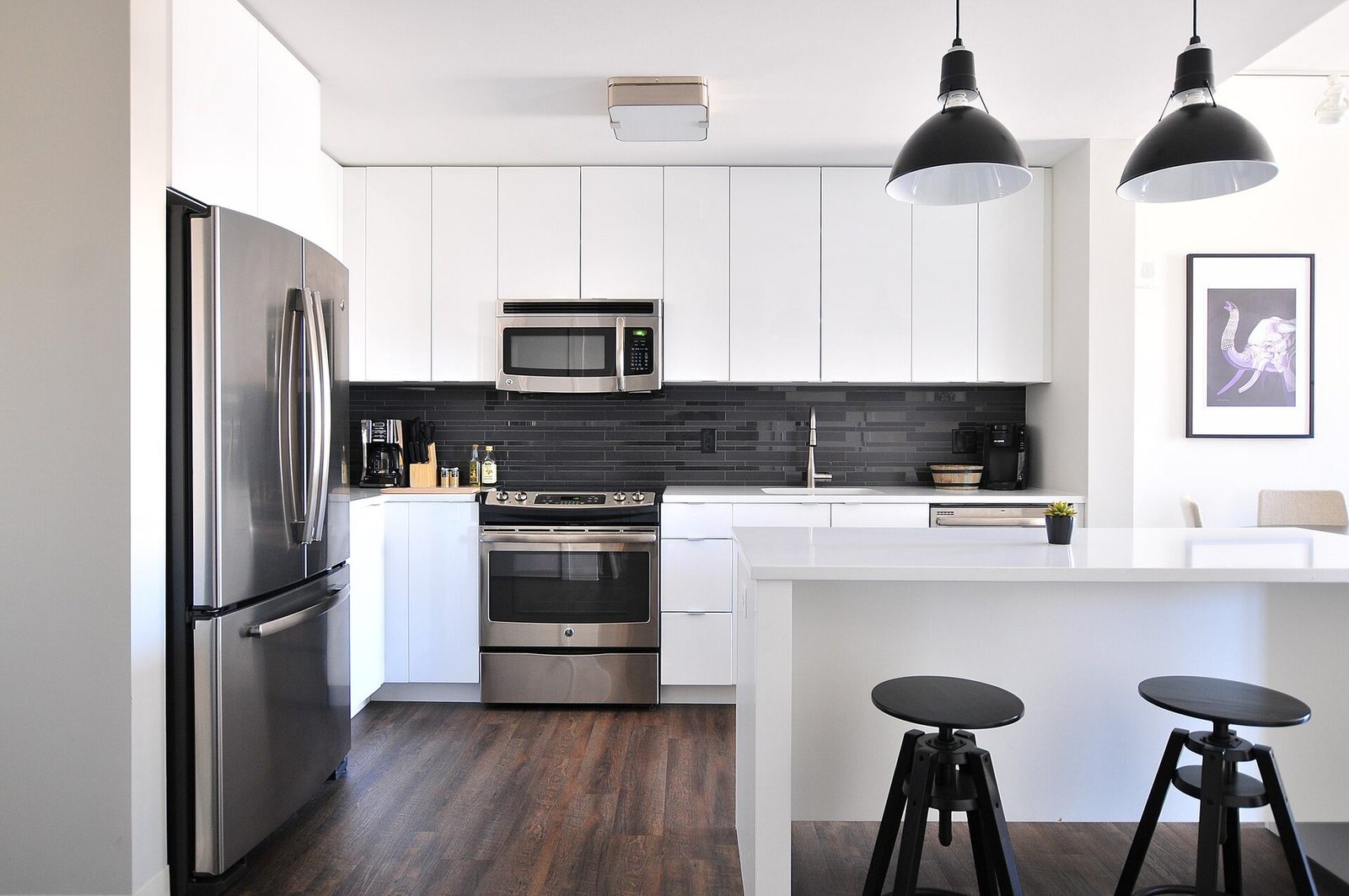
A small room reads true to size when the photo is taken from a doorway or corner at about chest height, with a moderately wide lens, and includes something of known size such as a bed, a door or a vanity. The goal is not to make a ten by ten bedroom look like a primary suite. The goal is for a buyer or renter to walk in later and think it looks just like the pictures.
Why not just make the room look as big as possible?
Because the showing will undo it. An extreme wide lens can make a secondary bedroom look twenty feet deep, and it will get clicks. Then the person walks in, feels misled, and starts doubting everything else about the listing. Agents who work leases see this constantly. The prospect drives across Houston, steps into a room half the size they expected and leaves annoyed. That showing was wasted for everyone.
Stretched photos also look strange. Objects near the edges of a very wide frame smear outward. A nightstand becomes a long rectangle, a round mirror turns into an egg, a toilet near the corner of the frame looks four feet long. Viewers may not know why the photo looks odd, but they know it does.
Accurate photos do the opposite. They filter in the people for whom the room works, and those people show up ready to say yes.
Where should the camera go?
In a small room there are usually only one or two positions that work. The first is the doorway, or just outside it, shooting in. This gives the longest possible view across the room and shows it the way a person first sees it. The second is the corner diagonal from the door, which often shows the window, the closet and the door in one frame.
Shooting from a corner toward the opposite corner shows two full walls and makes the shape of the room clear. Shooting flat against one wall toward the other makes a small room look like a hallway. The diagonal is nearly always better.
In a bathroom, the doorway is often the only choice. The aim is to show the vanity, the tub or shower and the toilet in one composed frame if possible, without the photographer appearing in the mirror. When a bath is too tight for one frame, two tighter photos, one of the vanity and one of the shower, tell the story more truthfully than one warped photo of everything.
How does camera height change the feel of a small room?
A lot. Shot from standing eye level with the camera tipped down, a small room shows mostly floor and furniture tops, and the walls lean. Shot from too low, the bed looms and the ceiling takes over. Around chest height with the camera level is the usual answer. It keeps walls straight and balances floor against ceiling, so the room feels like it does when you stand in it.
In kitchens and baths, the height gets adjusted to the counters. High enough to see the countertop surface and the sink, not so high that the upper cabinets are cut off. In a galley kitchen in a Montrose condo or a Heights bungalow, that careful height is what keeps the photo from feeling like a tunnel.
What prep makes a small room photograph well?
Less furniture and less stuff. A small bedroom with a bed, one nightstand and a lamp looks like a usable bedroom. The same room with a bed, two nightstands, a dresser, a desk, a chair and a laundry basket looks like storage. Ask the seller to remove one or two pieces from each small room for shoot day. They can go in the garage, which does not need to look perfect.
Clear the floor. Visible floor is what makes a room feel like it has space, so rugs that are too small, floor fans, pet beds, shoes and baskets should come out. Clear the surfaces too. One or two items on a dresser is fine. A crowd of bottles on a small bathroom counter shrinks the counter.
Open the blinds fully or raise them, and turn on every light. Brightness reads as space. A dim small room feels like a closet. Make the bed tightly with plain bedding. Busy patterns in a tight frame make the room feel full.
Leave the door all the way open so it sits flat against the wall, or have it removed from the frame by the choice of angle. A half open door eats a surprising amount of a small photo.
How wide should the lens be?
Wide enough to show the room from its best position, and no wider. In practice, small rooms do need a wide lens, because there is nowhere to back up to. The discipline is in not going to the extreme end, and in keeping important objects away from the edges of the frame where stretching is worst.
A useful check is the look of familiar objects. A standard interior door is a known size. So is a queen bed, a toilet, a range. If those look like themselves, the room is reading true. If the bed looks like a runway, the lens is too wide or the camera is too close to it.
Sometimes the honest answer is a partial view. A photo that shows two thirds of a small study, with straight lines and natural proportions, serves the listing better than a full view that looks like a funhouse.
Which small rooms are worth photographing at all?
Most of them. Secondary bedrooms, even small ones, should each get a photo, because buyers count bedrooms and want proof. Secondary baths should get one if they are clean. A utility room is worth a frame, especially for renters who want to see the washer and dryer connections.
What you can skip are closets that are ordinary, half baths with nothing to show but a toilet and a pedestal sink if the angle is impossible, and hallways. If you are under the photo cap and want to be complete, include them at the end of the set. If you are trimming, they go first.
For apartments and small rentals, where every room is a small room, completeness matters more than glamour. One clear photo of each space, shot level and well lit, is what gets a unit leased.
Photos that match the showing
The best compliment a listing photo can get is a buyer saying the house looks just like the pictures. That comes from level cameras, sensible lens choices and a seller who cleared the floor. Our flat $100 photo package covers every room inside and out, edited, for any size home, which makes it a fit for small homes, condos and lease units. Choose a date at rephotosvideos.com/book whenever the home is ready.
Browse everyone we shoot for →