
Article
What field inspection photography is, and what it is not
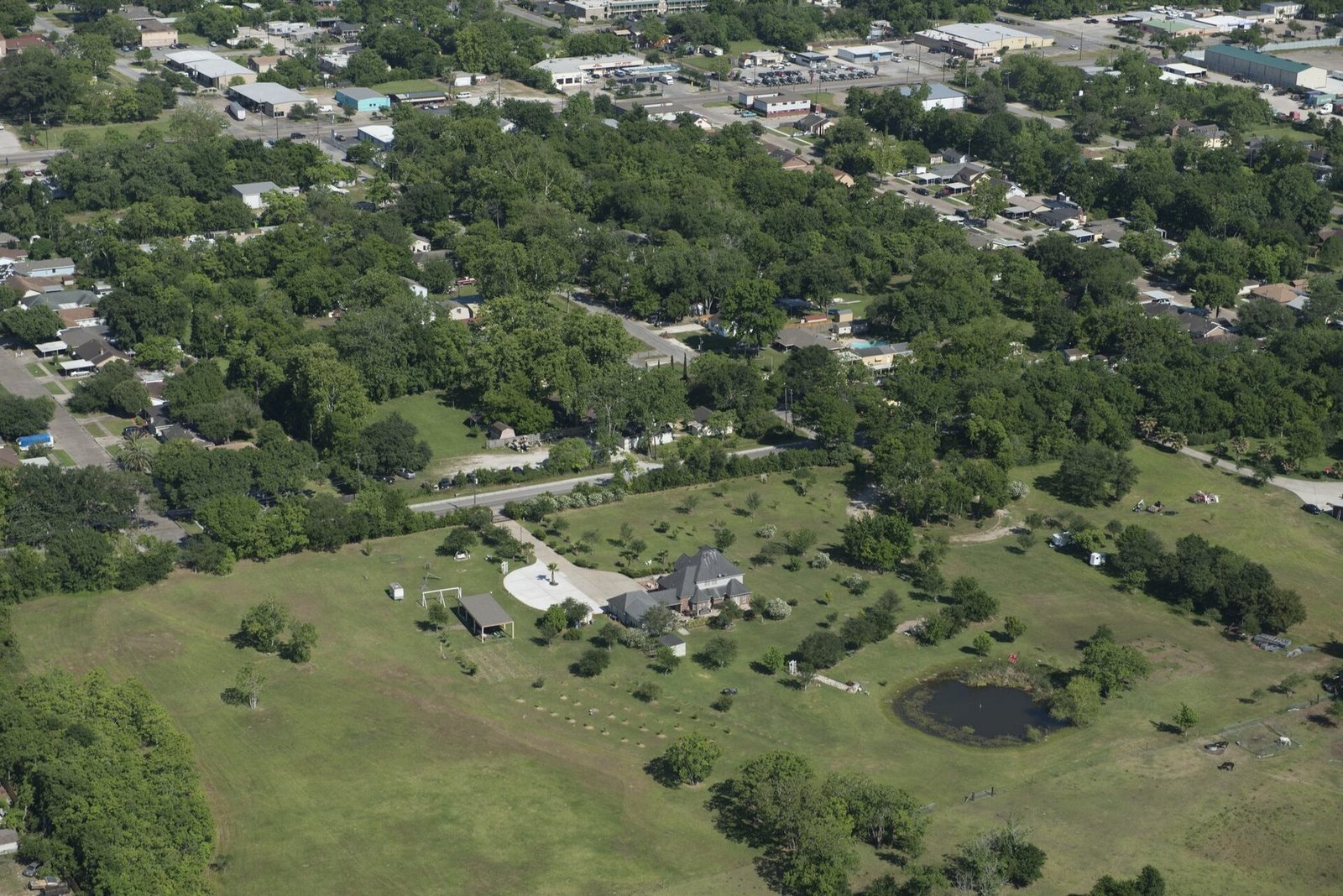
Field inspection photography answers one question: what does this property look like right now? Not when it was listed, not when the tenant last described it, not when the owner last drove past. Today, photographed by someone who went there.
That is the whole product. Understanding what it is not is just as important, particularly if you are buying it for a portfolio.
The job
Someone drives to the address, walks the property and photographs the visible exterior. Every wall from every angle that can be reached. The roof from the ground wherever it can be seen. The foundation line. Windows and doors. Yard, driveway, fencing, outbuildings. Anything the client specifically asked about.
Alongside that, the ordinary signs of occupancy: vehicles, mail, whether the grass has been cut, whether belongings have been left outside. For a surprising share of this work, those frames are the entire reason for the visit.
The output is photographs, labelled by where on the property they were taken, with the date and time of the visit recorded.
It is not an inspection
A licenced inspector examines systems and gives you an opinion. Roof, foundation, electrical, plumbing, structure. They carry a licence and insurance for exactly that opinion, and they are accountable for it.
A photographer does none of that. We do not climb on the roof, we do not test anything, and we do not tell you what a crack means. Photographs of what was visible on the day, and nothing else.
That distinction protects you. An unlicenced opinion about a property is worth less than nothing in a dispute, and a vendor willing to offer one is a vendor to avoid. If you need a condition assessment, hire an inspector. If you need to see the property, hire a photographer. They are different purchases and they cost very different amounts.
Who actually buys it
Out-of-state owners with Houston rentals, who need to confirm a property is still standing and still occupied without a flight. Portfolio managers with more doors than hours. Lenders and buyers wanting eyes on collateral before a decision. Managers documenting a property at move-in and move-out. Owners checking that work they paid for was actually done.
What they share is distance, real or practical, between them and the property.
Why the photos beat a phone call
A tenant reporting that everything is fine is a description. A contractor confirming the work is done is a description. Photographs on a date are a record, and a record does not shade the truth about the fence that is still down.
That is not cynicism about tenants or contractors. It is that a photograph settles in two seconds what a conversation can take a week to establish.
What to ask a vendor
Ask what the standard visit covers, and whether they get out of the car. A drive-by frame through a windscreen is not coverage, and plenty of cheap field photography is exactly that.
Ask how it arrives. Photographs you cannot tell apart are photographs you cannot use, so labelling by location and a recorded visit date are the minimum.
Ask what happens on a recurring programme. If the angles change every month you cannot compare visits, and comparison is most of the value.
Ask what they will and will not tell you. A vendor who volunteers opinions about condition is telling you something about their judgement.
What it costs around Houston
Ours starts at $20 and most visits stay there. Scope moves it: a large or awkward site, several properties in one trip, a specific list of things to cover, drone on top. We would rather price it on a two minute call than publish a number that turns out to be wrong for your property.
For a schedule across a portfolio, the price is worked out for the programme rather than per visit.
See our Builders & New Construction work, or browse everyone we shoot for →