
Article
Apartment community photography for property managers
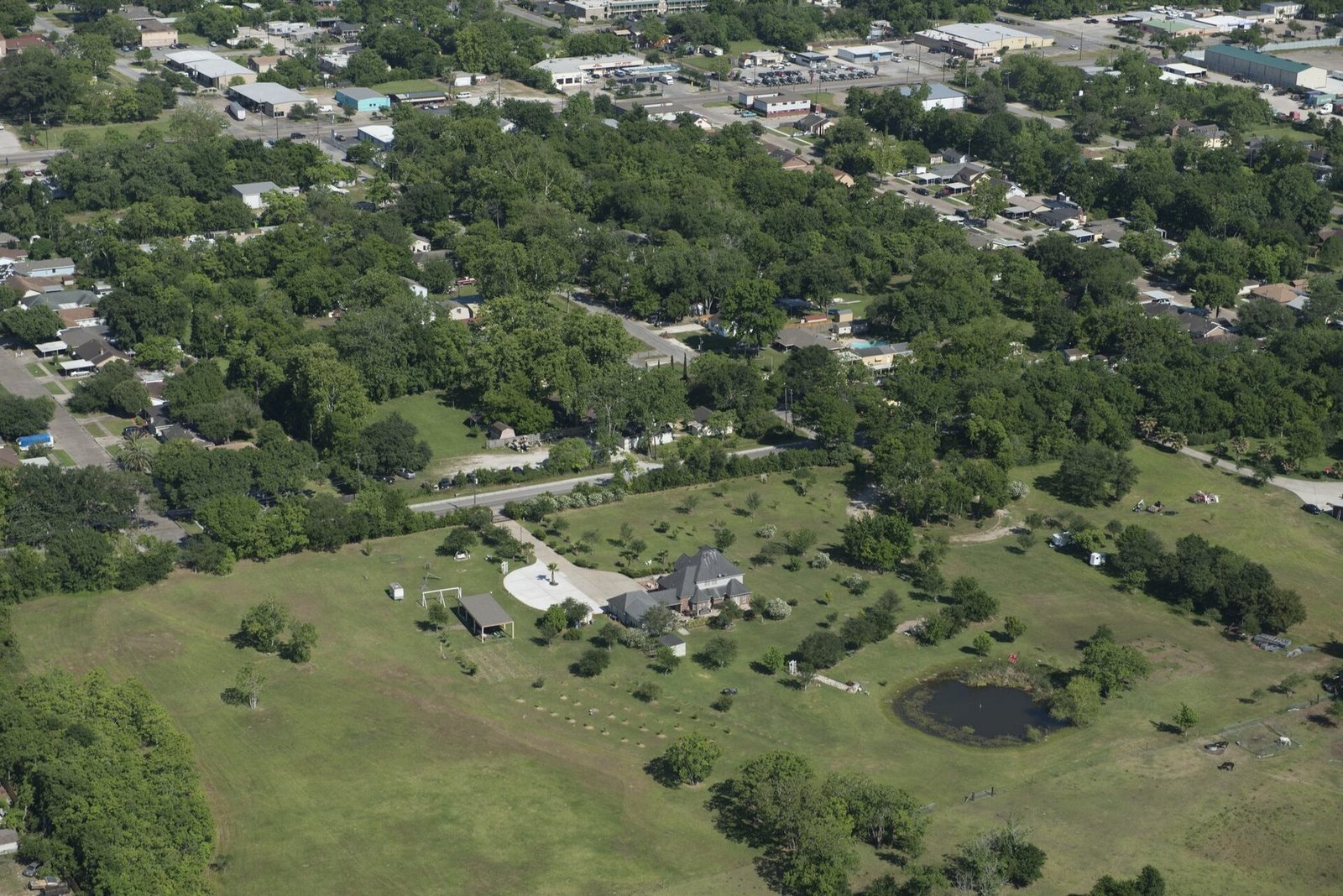
An apartment community needs three sets of photos: the amenities and grounds, one clean example of each unit type, and the exterior and surroundings, including aerials where they help. Renters choose which communities to tour from their phones, often the same evening they start looking, so the photos on your website and listing sites do the job a leasing agent used to do at the first visit. This article covers what to shoot, how to get the property ready and how this kind of work is priced with us.
What should a community shoot cover?
Start with what renters ask about. The pool, the fitness center, the clubhouse, the business center or coworking room, the dog park, the grilling area, the package room, the playground, covered parking and the gates. Each amenity deserves two or three angles, shot when it is clean, lit and set up the way you want it remembered.
Next come the units. You do not need every unit, but you do need an honest example of each type you lease: the studio, the one bedroom, the two bedroom, the townhome style unit if you have one. If you have renovated and classic finishes at different rents, photograph both and label them clearly. A renter who tours a classic unit after seeing only renovated photos feels tricked, and your leasing team pays for that in wasted tours.
Then the exteriors: the entry and monument sign, the leasing office, the buildings from the best angles, the landscaping, the courtyards and the walking paths. These tell a renter how the place is kept, which is what they are really judging.
How do you photograph units: model, vacant or occupied?
A furnished model unit gives the most appealing photos, because it shows scale. A bed in the bedroom answers the question every renter has. If you keep a model, reset it before the shoot the way you would before a VIP tour: straighten the bedding and pillows, remove the leasing brochures and price sheets, and check every bulb.
A vacant, make ready unit is the next best choice and the most honest for a specific listing. It should be fully turned: painted, cleaned, carpets done, appliances wiped, blinds in good repair, and all bulbs working and matching. Empty units show everything at floor level, so look for carpet stains and scuffed baseboards with the lights on. Make sure the power is on in the unit, since vacant units are sometimes disconnected between residents.
Occupied units are the hardest and usually not worth it. They need the resident's permission, their belongings are in every frame and you cannot control the prep. If an occupied unit is the only example of a type, wait for the next vacancy.
How do you prepare the amenities and grounds?
Schedule the shoot around your maintenance calendar. The best day is right after the landscapers and the pool service have been through, and not on trash day, when dumpsters are overflowing and bins line the drives. Ask the porters to walk the property that morning for litter, pet waste, abandoned furniture by the dumpsters and items on the breezeways.
At the pool, take out the cleaner and the floats, line up the loungers, open the umbrellas if the wind allows, and make sure the water is clear. Houston pollen, leaves and afternoon storms make a pool look neglected within hours, so skim it that morning. In the fitness center, wipe the mirrors, rack the weights, straighten the equipment and turn the televisions off. In the clubhouse, turn on every lamp, remove event flyers and tidy the coffee bar.
A morning start has two advantages. The light is cleaner before the summer haze builds, and the amenities are empty. That second point matters. Photos without residents in them avoid privacy complaints, and they sidestep the fair housing questions that come with showing particular people in housing advertising. If you ever want people in your marketing images, run it past your compliance team first.
Give residents notice of the shoot, as you would for any vendor on site, and especially if a drone will be flown.
Do aerials help an apartment community?
Usually, yes. An aerial shows the whole property at once: how many buildings there are, where the pool and parking sit, how much green space there is and what surrounds the community. For renters who are new to Houston, and many are, an aerial that shows the freeway access, the nearby retail, the park or the bayou trail next door explains the location faster than a paragraph of text.
Aerials show the roofs, the parking lots and the dumpster enclosures too, so tidy those before flight day. Some communities sit in controlled airspace near IAH, Hobby or Ellington, where drone flights are more restricted. Our drone work is flown by an FAA Part 107 certified pilot, who checks the airspace for your address as part of planning.
Where will the photos be used?
Everywhere your community appears. Your own website, the listing sites you advertise on, your search and map profiles, social accounts, email to prospects and the printed pieces in the leasing office. Different sites crop and order photos differently, so ask for a set that includes both wide establishing shots and tighter, simpler frames that still read at thumbnail size.
Put the strongest amenity or exterior first, then a kitchen and living photo from your most common unit type. Group unit photos by type and caption them, so a renter can tell which bedroom belongs to which plan. Our photos are edited and delivered in an online gallery, sized for the web and for HAR, which suits managers who also post units for lease through an agent.
When should a community be reshot?
After any renovation, which is the obvious one. New counters, flooring, fixtures or appliance packages change the product, and the rent, so the photos have to follow. The same goes for an amenity upgrade, a repainted exterior, new signs or a change of name and management.
Reshoot the grounds when the landscaping has matured or been redone, and replace any photo that shows something that no longer exists, such as a removed playground or old gym equipment. Renters compare photos against what they see on the tour, and every mismatch costs trust. Even without changes, it is worth reviewing your gallery once a year against your newest competitors.
How is a community shoot priced and planned?
Apartment communities are commercial properties, and we price commercial work by quote, because a garden style property with one pool and a mid-rise with a dozen amenity spaces are very different days. To quote it, we need the address, the list of amenities, how many unit types you want photographed, whether you want aerials and any deadlines you are working toward. Tell us about access too: gate codes, which units will be open, who holds the keys and whether someone from the office will walk us to the units.
Individual rental homes and condos are a different matter. A single family rental, a townhome or a condo listed for lease books online like any other home at our flat price of $100 for interior and exterior photos, or $125 with drone, whatever the size. That suits a property manager with a scattered site portfolio who needs photos at every turn.
For a community, send those details through rephotosvideos.com and we will reply with a quote and a suggested plan for the day. For a single rental, skip the email and go straight to the booking page.
See our Builders & New Construction work, or browse everyone we shoot for →