
Article
Photographing homes in The Heights: bungalows and new builds
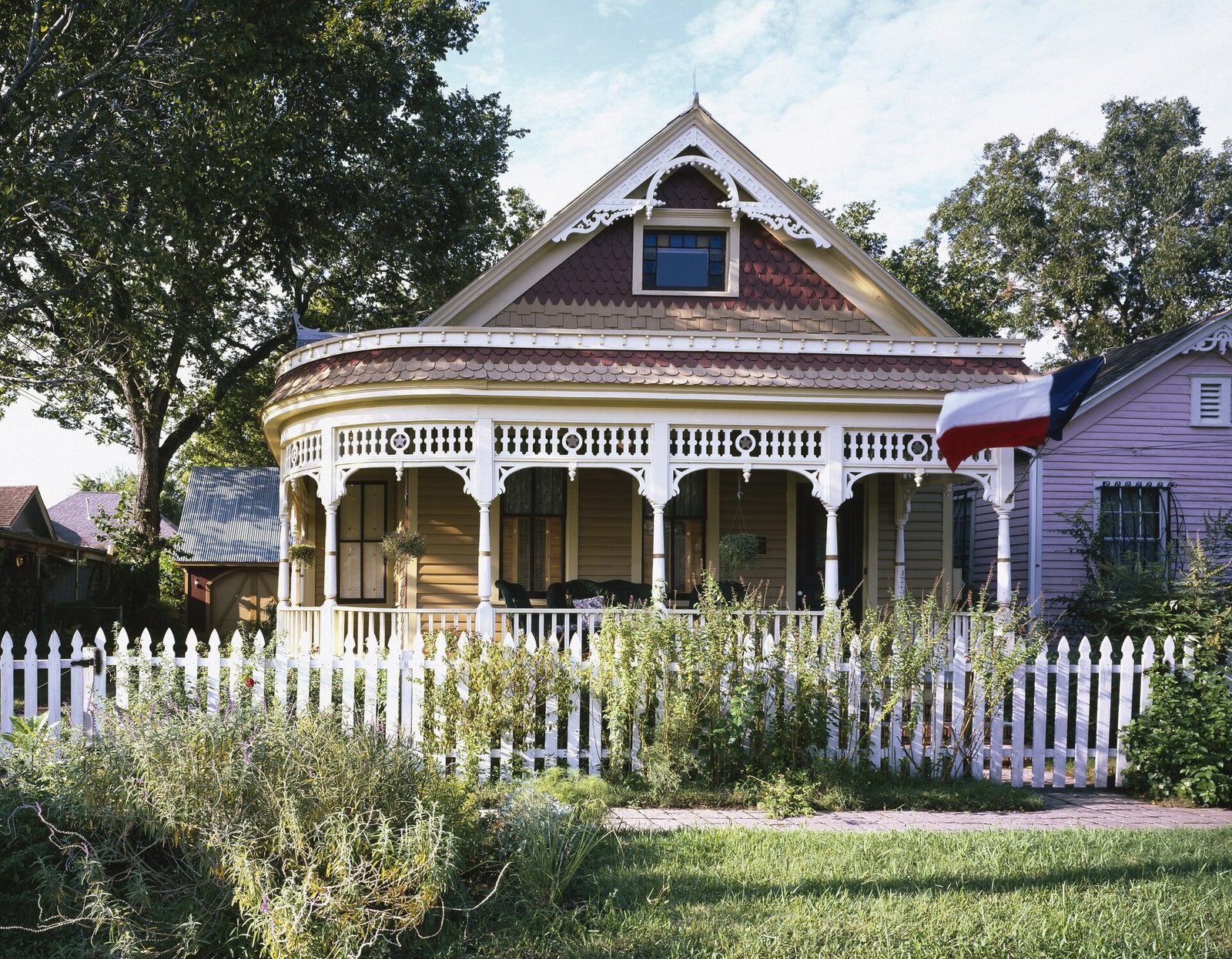
Photographing a home in The Heights means doing two different jobs well: showing the character of an older bungalow without making its rooms look bigger than they are, and showing the height and light of a new build squeezed onto a narrow lot. Both depend on careful exterior angles, because tight lots, mature trees and street parking leave very little room to stand back.
What makes The Heights different to photograph?
Houston Heights was platted in 1891 as one of Houston's first planned suburbs, and a lot of that early housing is still standing. The City of Houston has three historic districts here, Houston Heights East, West and South, and its preservation manual lists Queen Anne, Craftsman, Folk National and Folk Victorian as the common styles. The bungalows are boxy, with low-pitched roofs, wide eaves and a front porch that does most of the talking.
Next door to that bungalow you will often find a new two or three story home built right up to its setbacks. Same street, same trees, completely different product and usually a different buyer. A photographer who shoots both the same way gets one of them wrong. The bungalow needs warmth and honesty about scale. The new build needs clean lines and a sense of volume.
How do you photograph a bungalow so it reads true?
Start with the porch. On a Heights bungalow the porch is the front elevation, so the lead shot should be straight on or just off center, with the steps, columns and front door all readable. Many of these houses sit raised on pier and beam foundations, which puts the porch floor a few steps above the yard. Shooting from too low makes the house loom. Shooting from about chest height keeps the roofline and the porch in proportion.
Inside, the rooms are smaller than what buyers see in the suburbs, and that is fine. The mistake is reaching for the widest lens to make a modest bedroom look like a primary suite. Buyers notice at the showing, and the agent is the one standing there when they do. A moderate wide angle from a doorway or corner, with the camera level and the verticals straight, shows the room the way it feels in person.
What sells a bungalow is detail and flow. Original wood floors, tall windows, transoms, built-ins, a clawfoot tub, the way the living room opens to the dining room through a cased opening. Frame shots so the viewer can see from one room into the next, because that is how these houses live. If the home has a renovated kitchen or a rear addition, the photos should make the transition clear so nobody is surprised by where the old house ends and the new part begins.
How do you handle a new build on a narrow lot?
New construction in The Heights tends to go up, not out. The front elevation is tall and the lot is narrow, so there is no way to get the whole facade in frame from the front walk. The answer is to cross the street, shoot from the far curb, and correct the perspective so the walls stand straight instead of leaning back. When cars line both sides of the street, a slightly raised camera position clears the hoods and keeps the entry visible.
Inside, the story is volume. High ceilings, an open first floor, a staircase that often sits in the middle of the plan, and big windows that pull light down into the main living area. Shoot the first floor in a sequence that matches how a buyer walks it, then the primary suite, then the upper level game room or study. If a balcony or an upper window has a skyline view, that gets its own frame, exposed so the view is visible and not blown out to white.
Garages and driveways matter more here than in most neighborhoods. Alley access, a rear garage, a garage apartment or a driveway gate are real selling points on a street where parking is tight. Make sure they are photographed, not skipped as boring.
What about the trees, shade and power lines?
The live oaks are a big part of why people want this neighborhood, and they are also a lighting problem. On a sunny afternoon the canopy throws hard, spotty shade across a front elevation, half bright and half dark. A bright overcast day is often kinder to a shaded Heights street than full sun. When the sun is out, the direction the house faces decides the best time: east-facing fronts look best in the morning, west-facing fronts later in the day. Check which way the house faces before you plan the shoot.
Older streets also come with utility poles, overhead lines and the neighbor's fence a few feet from the wall. Those are permanent, and buyers will see them at the first showing, so the honest fix is a better angle, not erasing them. A step to the left, a slightly higher camera or a tighter crop usually puts the pole behind a tree or out of frame without misrepresenting the property.
Does a drone help on a Heights listing?
Sometimes. On a standard lot with heavy tree cover, a high aerial mostly shows treetops and rooftops, and it adds little. A lower aerial from the front or back corner can do more: it shows the depth of the lot, a detached garage or garage apartment, a pool tucked behind the house, and how close the home sits to the hike and bike trail, White Oak Bayou or the shops on 19th Street. On a tall new build, an aerial at roughly balcony height can show the downtown skyline view a buyer would get from the upper floor.
All our drone work is flown by an FAA Part 107 certified pilot, and the airspace for the address gets checked before any flight. If aerials will not add anything to a particular house, skip them and put the effort into the ground photos. Photos are $100 flat for any size home, and Photos plus Drone is $125.
How should the seller or tenant get ready?
Street parking is the first thing. Ask the owner, the tenant and if possible the next door neighbor to move cars away from the front of the house for the shoot. Pull trash and recycling cans out of sight, clear the porch down to a couple of chairs and a plant, and coil the hose. Inside, open every blind, turn on every light and clear kitchen and bath counters.
The Heights also has a lot of rentals: garage apartments, duplexes and older homes split into units. A lease listing competes on photos just like a sale does, and a flat price makes professional photos easy to justify on a lease. If the unit is occupied, give the tenant proper notice and a short prep list a few days ahead.
You do not need to meet us there. Put the lockbox location, any gate or alley code and parking notes in the booking form. It is a quick shoot, and the photos come back edited in an online gallery, sized for HAR and for the web.
Ready to put a Heights listing on the calendar? Pick a package and a date at rephotosvideos.com/book.
Browse everyone we shoot for →