
Article
Photographing luxury homes in River Oaks and Memorial
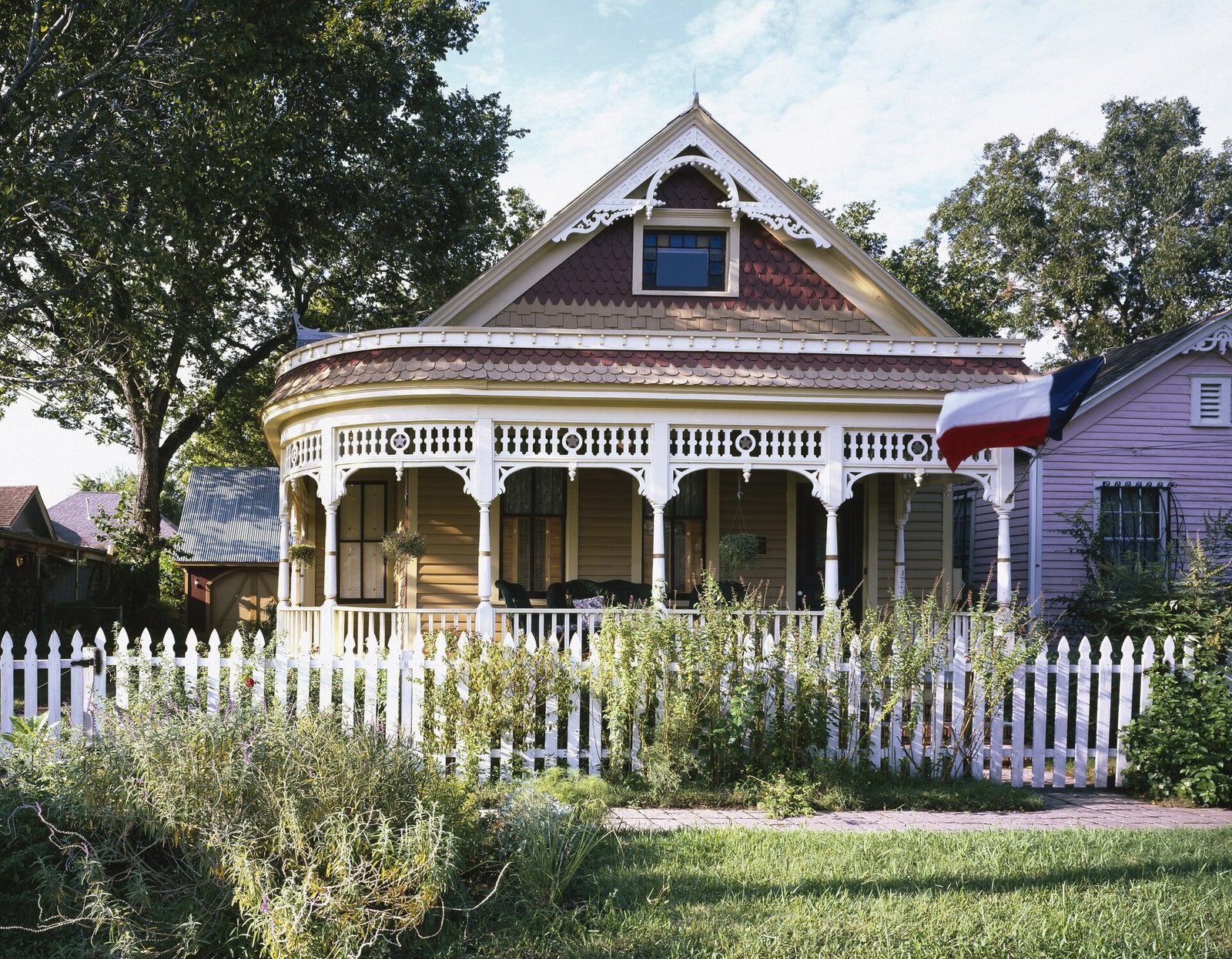
Photographing a luxury home in River Oaks or Memorial comes down to restraint: natural light and color, straight lines, rooms shown at their real size, and a gallery that respects the seller's privacy. The challenges are practical ones, such as heavy tree shade, very large rooms, hedges and gates that block the front elevation, and owners who care who sees inside.
What is different about these neighborhoods?
The lots and the trees. River Oaks was laid out in the 1920s around the country club, with wide streets, deep setbacks and live oaks that now arch over the road. Tanglewood, west of the Loop, has its well known boulevard and big ranch style lots, many now rebuilt with larger homes. The Memorial Villages, Bunker Hill, Hunters Creek, Piney Point, Hedwig, Hilshire and Spring Valley, are small independent cities with their own police, wooded lots and, along the south side, ravines that drop toward Buffalo Bayou.
For a photographer that means the house is often set far back, partly hidden by hedges, walls or a gated drive, and shaded for much of the day. It also means a mix of architecture you do not get in a newer suburb: 1930s revival homes by known local architects, mid-century ranches, 1990s Mediterranean and brand new contemporary builds, sometimes on the same block.
The buyer is different too. They have seen many well presented homes, often in other cities. Heavy editing, stretched rooms and saturated color read as a warning sign to them, not a selling point.
How do you handle the front exterior?
Find the time of day when the facade has even light. Under a live oak canopy, midday sun throws hard patches of light and shadow across the front, and the camera makes it look worse than the eye does. Early or late light, or a bright overcast day, gives a cleaner elevation. Which one depends on the way the house faces, so check the orientation before you pick an appointment time.
Where a hedge, wall or gate hides the front from the street, photograph from inside the gate. The motor court, the front door, the approach up the drive. Open the gates for the shot if they are attractive and the seller agrees. A slightly raised camera or a low aerial from the front corner of the lot often gives the only full view of the facade there is.
Keep vertical lines straight. Tall two and three story fronts shot from close in lean backward in the frame unless the perspective is corrected. On a formal, symmetrical house, a lean is the first thing a buyer's eye catches.
How do you photograph very large rooms?
The problem flips. In a small house you work to avoid exaggerating. In a very large room, an ultra wide lens does damage in the other direction: it pushes the far wall away, shrinks the fireplace and the windows, and makes fine furniture look like dollhouse pieces. A moderate wide angle from a well chosen corner, with a second view from the opposite side, shows scale better than one frame that tries to take in everything.
Shoot for connection between rooms. Buyers at this level care about how the house entertains: the view from the entry through the living room to the terrace, the kitchen open to the family room, the dining room's relationship to the butler's pantry. Frames that look through one room into the next explain the plan without a word.
Give detail its due, within limits. A carved stair rail, a stone mantel, steel windows, a range worth more than some cars, paneled library walls. A few close photos tell the buyer about quality. Put them after the main room shots, not in place of them.
Windows matter in every frame. These homes are built around their gardens, and the interior photos should show the pool, the lawn or the oaks through the glass instead of a white glare. That is what editing a range of exposures is for.
What does privacy require?
A conversation before the shoot. Ask the seller what should not be photographed and get it in writing. The usual list is family photos, children's names on walls, art and collections, safes, gun rooms, wine inventories, car collections, security panels and camera positions. Most of these can be put away or framed out without hurting the gallery.
Ask about the exterior too. Some owners do not want the house number, the gate keypad or the full layout of the grounds shown. That can limit aerials. An aerial that shows the pool and gardens is a selling tool. One that maps every door, gate and camera blind spot is something a careful owner may decline, and that is their right.
Think about where the photos will go. HAR listing photos are syndicated widely. If the seller wants limited exposure, talk to your broker about the options HAR provides and what the photo requirements are for each, and order the shoot to fit that plan.
Do aerials help in River Oaks and Memorial?
Often, with judgment. The strongest case is a large or unusual lot: an estate sized property, a lot on the bayou, a corner with a deep side garden, a home next to the country club's course. Houston is flat, and nothing from the ground shows the full extent of a big property or how the pool, guest house, tennis court and gardens are arranged.
The weak case is a standard lot under full canopy, where a high aerial shows mostly treetops. A lower aerial from the rear corner can still work if there is a gap in the trees, but do not force it.
Tall trees also limit where a drone can safely go, and parts of the city sit under controlled airspace. Our flights are made by an FAA Part 107 certified pilot and the address is checked first. In the Villages, it is courteous to have the seller tell the next door neighbors a drone will be up briefly for a listing, since residents there notice.
How should a large home be prepared?
More rooms mean more to check. Walk the whole house the day before with the seller or the house manager. Replace dead bulbs and match their color, because a chandelier with one cool bulb among warm ones shows. Turn every light on, open drapes and shutters, turn ceiling fans off. Clear kitchen counters down to a few good objects, remove bath products from showers and tubs, hide cords, remotes and pet beds.
Outside, have the lawn crew come a day or two ahead, not the morning of, so there are no clippings or blower tracks. Clean the pool, run the fountains, open the umbrellas, put cushions out, move cars out of the motor court and close the garage doors.
Tell staff and vendors the appointment time. A pool service truck in the drive or a housekeeper's cart in the hall costs time on a home with this many rooms.
Our price does not rise with the square footage. Photos are $100 and Photos + Drone is $125 for any size home, and edited video for a property like this is quoted on request. The full list is on our pricing page.
Browse everyone we shoot for →