
Article
Preparing an occupied home for listing photos
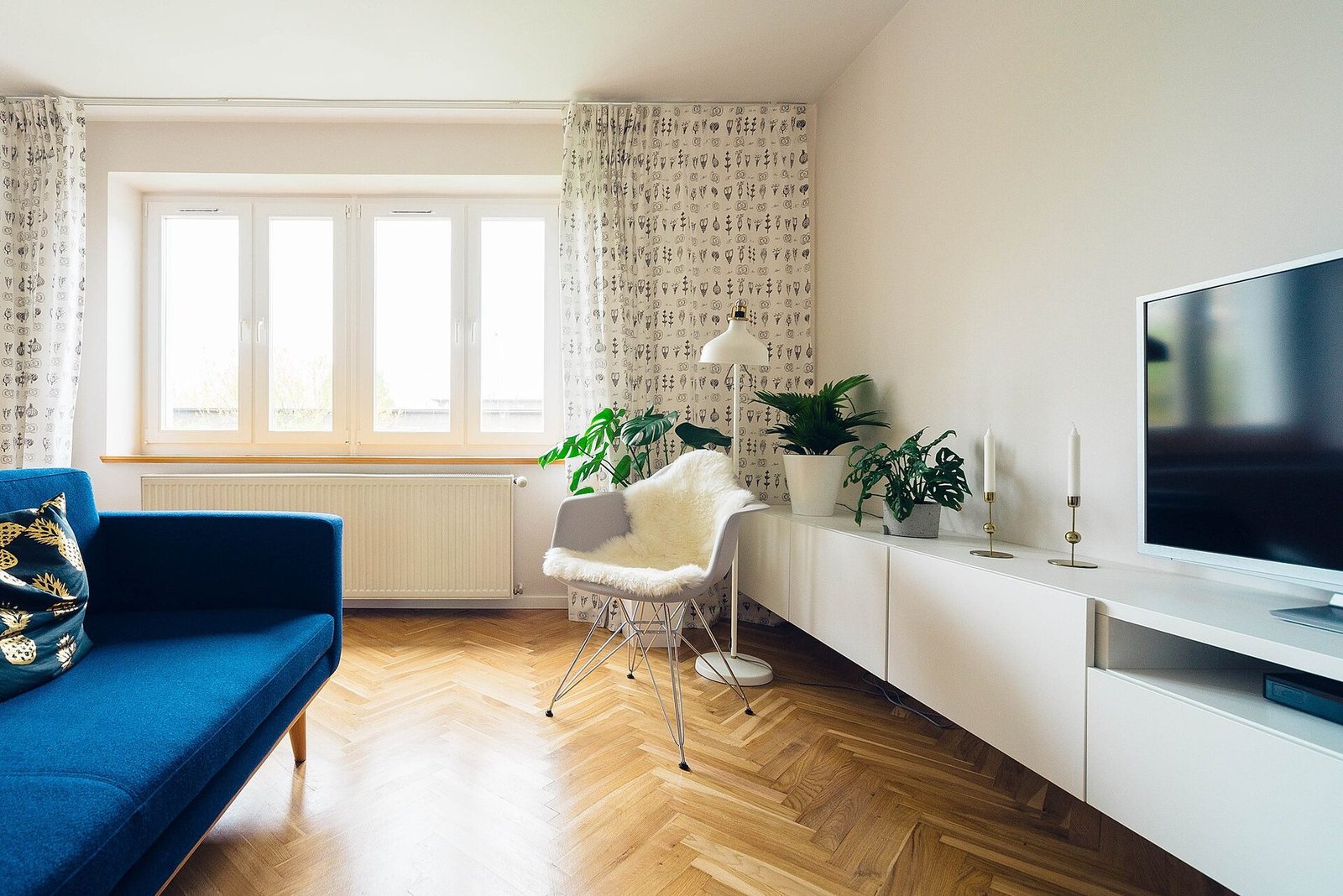
An occupied home is ready for listing photos when the daily life in it has been hidden for an hour: surfaces cleared, personal items out of sight, beds made, lights on and the people and pets out of the way. You are not asking the seller or tenant to move out or to stage the place like a model home. You are asking them to edit the house down for one short appointment, and a clear plan makes that easy to say yes to.
Why is an occupied home harder than a vacant one?
Because people live in three dimensions and photos flatten everything. The stack of mail, the dog crate, the drying rack and the row of shoes by the door are invisible to the people who live with them. In a wide photo they become the subject. A buyer looks at the kitchen picture and sees a counter full of appliances and a refrigerator covered in magnets, not the kitchen.
Occupied homes also have the advantage, and it is worth telling sellers this. Furnished rooms photograph warmer and show scale better than empty ones. A bed tells a buyer the bedroom fits a bed. A sofa and chairs show how the living room lays out. The job is to keep the furniture and lose the clutter.
What is a realistic timeline for a busy household?
Start a week out if you can. Give the seller a written list, since spoken instructions in a listing appointment are forgotten by dinner.
In the first few days, handle the things that take time: repairs, a deep clean, window washing, yard work, and packing away what is clearly excess. Tell sellers that anything they pack now is something they will not have to pack later, which helps the motivation.
Two days before, do the second pass. Closets and cabinets do not need to be empty, but the visible rooms need to be thinned out. Pick one hiding place for shoot day. The garage is the usual choice, or one closet, or the trunk of a car parked down the street.
The night before, clear surfaces, make a staging area for last minute items, and set out the laundry basket or two plastic bins that will sweep up the daily things in the morning. On the morning of the shoot, the family eats a simple breakfast, the dishes go in the dishwasher, the bins collect what is left, and everybody leaves.
What is the laundry basket method?
It is the single most useful trick for an occupied home. Every household has daily items that cannot be packed in advance because people need them until the last minute. Toothbrushes, the soap dispenser, phone chargers, the dish towel, the pet bowls, medications, the remote controls, the mail.
On shoot morning, walk through the house with a laundry basket and put every one of those items in it. Put the basket in the car or the garage. After the shoot, walk the basket back through the house. The whole thing takes ten minutes each way, and it is the difference between counters that are truly clear and counters that are almost clear.
How should families with kids and pets handle shoot day?
Plan for everyone to be out of the house. Children are curious about cameras and wander into frames, and a toddler can undo a staged living room in the time it takes to photograph the kitchen. A trip to the park, a grandparent's house or a late breakfast out covers the appointment, since the shoot itself is quick.
Toys go in bins, and bins go in closets or the garage. Large plastic play equipment in the living room should leave the room if at all possible. In kids' bedrooms, aim for a made bed, a clear floor and a few items on the shelf.
Pets need a plan too. The best option is to take them along. If that will not work, a crate in the garage is next best. A dog loose in the backyard means no backyard photos, and a cat that darts out an open door is a bad afternoon for everyone. Hide the evidence of pets as well: bowls, beds, litter boxes, leashes, the gate across the hallway. Some buyers and many landlords react to signs of pets, and the photos do not need to raise the question.
What about privacy and security?
Listing photos are public and they stay findable for a long time. Walk the house once with that in mind. Put away anything that shows a full name, such as diplomas, framed certificates, monogrammed items, children's name signs and mail. Take down the family calendar. Remove prescription bottles from view.
Valuables deserve the same thought. Jewelry, firearms and safes, collections, expensive electronics, art of real value and spare keys should not appear in photos. Beyond the photos, remind sellers that showings are coming and those items should be secured anyway.
Family photos are a judgment call. A few framed pictures are fine in the background. Sellers who prefer not to have their children's faces on real estate websites should take the frames down for the day. Religious and political items follow the same logic: nothing is wrong with them, but the goal is for every buyer to picture their own life in the house.
How do you handle a tenant occupied property?
This is the hardest version, and leasing agents and property managers face it constantly. The tenant has no stake in the sale or the next lease, and may be unhappy about moving. You cannot prep the home yourself, and you have to respect the notice and entry terms of the lease.
Give proper notice in writing, with a specific date and time window, and keep to it. Make the request small and specific. Most tenants will not read a two page checklist, but many will do five things: make the beds, clear the kitchen and bathroom counters, pick up the floors, put the dishes away and secure the pets. Say thank you, and consider a small gesture such as a gift card. Cooperation is cheaper than a vacancy.
If the unit is in rough shape and the tenant will not help, you have two options. Photograph what presents well now, typically the exterior, the kitchen and the main living area, and add the rest after move-out. Or wait and shoot the home vacant and cleaned. If you manage many similar units, a good photo set of one clean unit of each layout can carry several listings, as long as the listing clearly says the photos show a similar unit and your MLS rules allow it.
What does the photographer need from the household?
A house that is ready at the appointment time, with lights on and blinds open. Access instructions that work, meaning the lockbox code, the gate code and a note about any alarm. And a clear path, meaning nobody home or everyone in one spot.
Photographers can nudge a chair or remove a stray towel, but they cannot clean a kitchen or make beds and still run a quick shoot. What the camera finds is what the listing shows.
Once the household has a date to aim for, the prep tends to get done. You can set that date online at rephotosvideos.com/book, where you add the lockbox or gate code so nobody has to wait at the house. Our photo package is a flat $100, interior and exterior, for a home of any size.
Browse everyone we shoot for →