
Article
What to put away before the photographer arrives
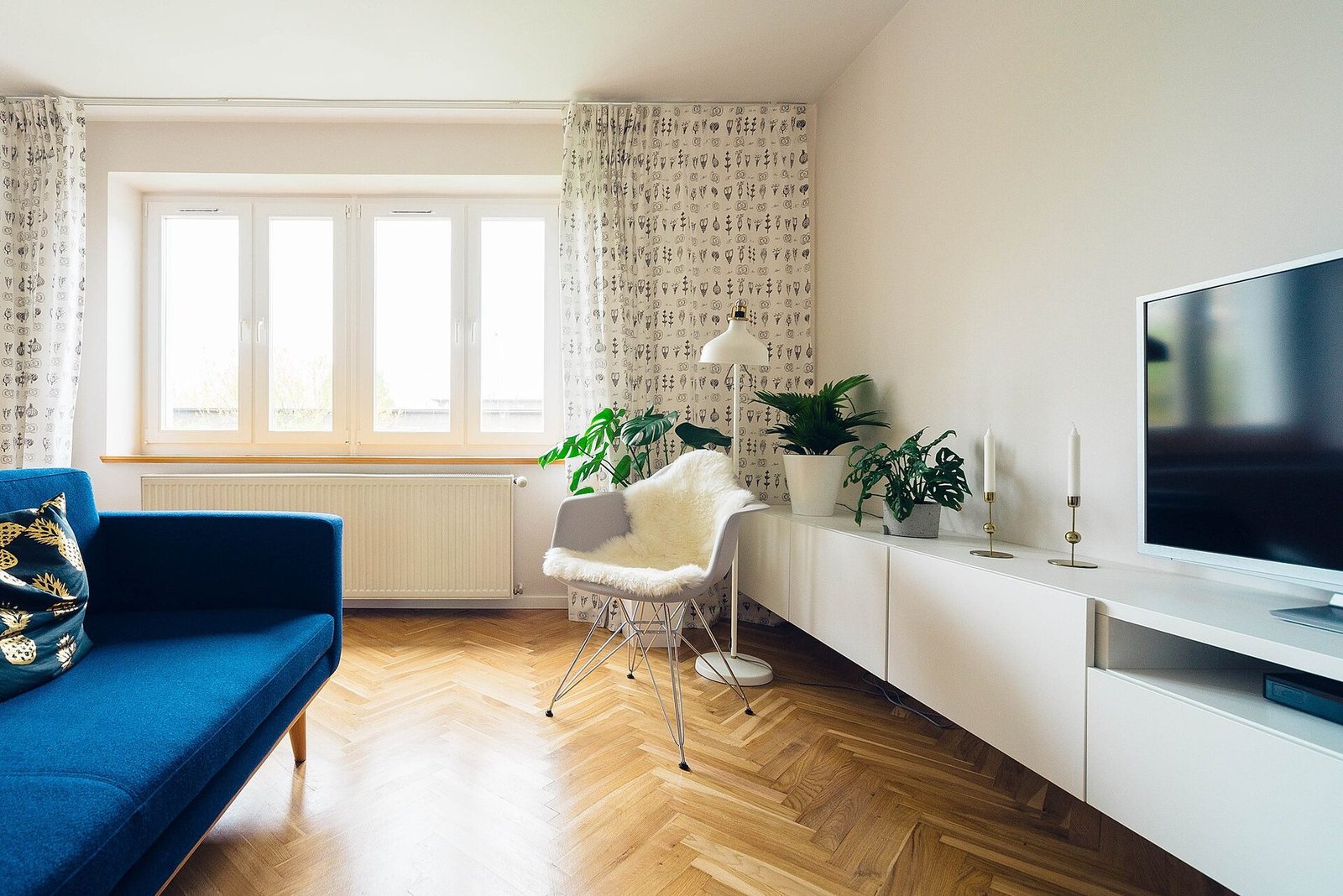
Before the photographer arrives, put away anything valuable, anything private and anything that is only there because someone lives in the house. Listing photos go on HAR and then spread to other sites, where strangers can zoom in on them, so the question for each item is whether you want the public to see it. This article sorts what to put away by the reason it needs to go, which makes it easier to explain to a seller.
Why put anything away at all?
There are two separate reasons, and sellers usually only think of one. The first is appearance. Rooms look larger and cleaner with less in them, and a buyer looking at a phone screen should notice the kitchen, not the mail on the counter.
The second is privacy and security, and it matters more. A listing gallery is a public tour of the inside of a home, with the address attached. The photos are sharp enough to read a label, a diploma or a calendar. They also tend to stay online in one form or another after the sale, on sites that the seller and the agent do not control. Whatever is in the frame on shoot day should be treated as published for good.
Valuables and anything that invites a break-in
Put away jewelry, watches, cash, coin jars, handbags and anything that sits on a dresser or a closet island. Remove small electronics such as tablets, laptops, cameras and game consoles. Collections draw attention too: sports memorabilia, signed items, wine, art glass, antique pieces. A buyer does not need to see them, and nobody else should.
Firearms need particular care. Take down displayed guns and hunting rifles, and think about the gun safe as well, since a large safe in a closet or study photo tells the public what is likely inside. Tell the photographer which closet or room to skip if it cannot be moved. Mounted deer and other trophies are common in Texas homes and are a matter of taste, but they do distract, and a wall of them can narrow your audience.
Look at what the photos reveal about security itself. An alarm keypad is fine, but a sticky note with the code near it is not. The same goes for keys on a hook by the back door, a garage door opener on the counter and a spare key in a dish.
Paperwork, prescriptions and personal details
Clear every piece of paper with a name, an account number or an address on it. That means mail, bills, bank statements, tax folders, school forms, medical paperwork and the pile on the desk in the study. Turn off computer monitors so no email or spreadsheet is on screen. Take down the wall calendar and the whiteboard with the family schedule. A calendar that shows when the family will be out of town is the last thing to publish with an address.
Prescription bottles should come off the kitchen counter, the nightstand and the bathroom vanity. Put them in a drawer or take them with you, both for privacy and because open houses and showings follow the photos. Remove medical equipment where it can be moved without hardship. If it cannot, tell the photographer so the angle can be chosen to leave it out where that is possible.
Diplomas, licenses, awards with names, monogrammed items and children's name signs on bedroom doors should come down as well. None of them help sell the house, and all of them identify who lives there.
Family photos and children's things
A few framed photos are not a problem for the look of a room, but many sellers, once they think about it, do not want their children's faces on a public real estate site next to their address. Make that the seller's informed choice. The simple rule is to take down portraits and photo walls and leave art and mirrors.
Children's rooms deserve a careful look. Put away name plaques, school spirit items that identify the school, team photos, trophies with names and artwork with signatures. Remove the refrigerator gallery of drawings, report cards and invitations. Toys should go into bins and the bins into closets, which helps the appearance of the room at the same time.
Religious and political items fall in a similar group. They are personal, the seller is entitled to them, and they are better packed for the shoot. You want buyers forming opinions about the house and nothing else.
Everyday items that make a home look smaller
This is the group sellers expect. On kitchen counters, put away small appliances, the knife block, dish soap, sponges, the drying rack and paper towels. In bathrooms, put away toothbrushes, razors, soap bottles, hair tools, the scale, the plunger, the toilet brush and the trash can. In the shower, take out the bottles and the hanging caddy. Glass shower doors hide nothing.
In living areas, remove remote controls, chargers, cables, tissue boxes, magazines, blankets and pet beds. In bedrooms, clear nightstands and dresser tops and check what shows under the bed from the doorway. In the laundry room, put away detergent, baskets and the ironing board. At every door, pick up shoes, bags and the umbrella stand.
Pet gear goes too: bowls, food bins, crates, litter boxes, scratching posts and gates. Seasonal decorations should be packed unless the shoot and the sale will both be over before the season ends. A listing photo with a Christmas tree looks stale in February.
Where does it all go?
Sellers get stuck here, so give them a plan. The best answer is off site: a storage unit, a relative's garage or the first load to the next house. Packing early is work they have to do anyway.
The second best answer is the garage, stacked neatly along one wall. Garages are rarely a featured photo, and buyers understand boxes in a garage during a move. After that, use one closet that you tell the photographer to keep closed, and the car. Small daily items can go in a laundry basket or a plastic bin that rides in the trunk during the shoot and during showings. That bin trick is the one sellers keep using for the life of the listing.
Do not hide things in the oven, the dishwasher or the shower. Buyers open all three at showings, and people forget what they put in the oven. Avoid stuffing the primary closet as well, since buyers want to see it and it is usually photographed.
What should stay?
Clearing a house does not mean emptying it. Furniture should stay, arranged with room to walk. Lamps stay and get turned on. Rugs that fit the room, made beds with plain bedding, a few books, healthy plants, towels that match and one or two simple items on a counter or table all help a room read as a home. Art on the walls can stay, other than portraits. The target is a house that looks like a tidy person lives there, not a house that looks vacant.
If you are unsure about an item, ask whether it tells the public something about the owners or only something about the house. Things that describe the house can stay.
Send this list to your seller when you set the shoot date, so they have a few days and not a few hours. Our shoots are quick and neither you nor the seller has to be there, so the home should be fully put away when we arrive. You can compare our flat priced packages on the pricing page at rephotosvideos.com, and pick a date whenever the seller is ready.
Browse everyone we shoot for →