
Article
Lights on, blinds open: interior prep that shows in photos
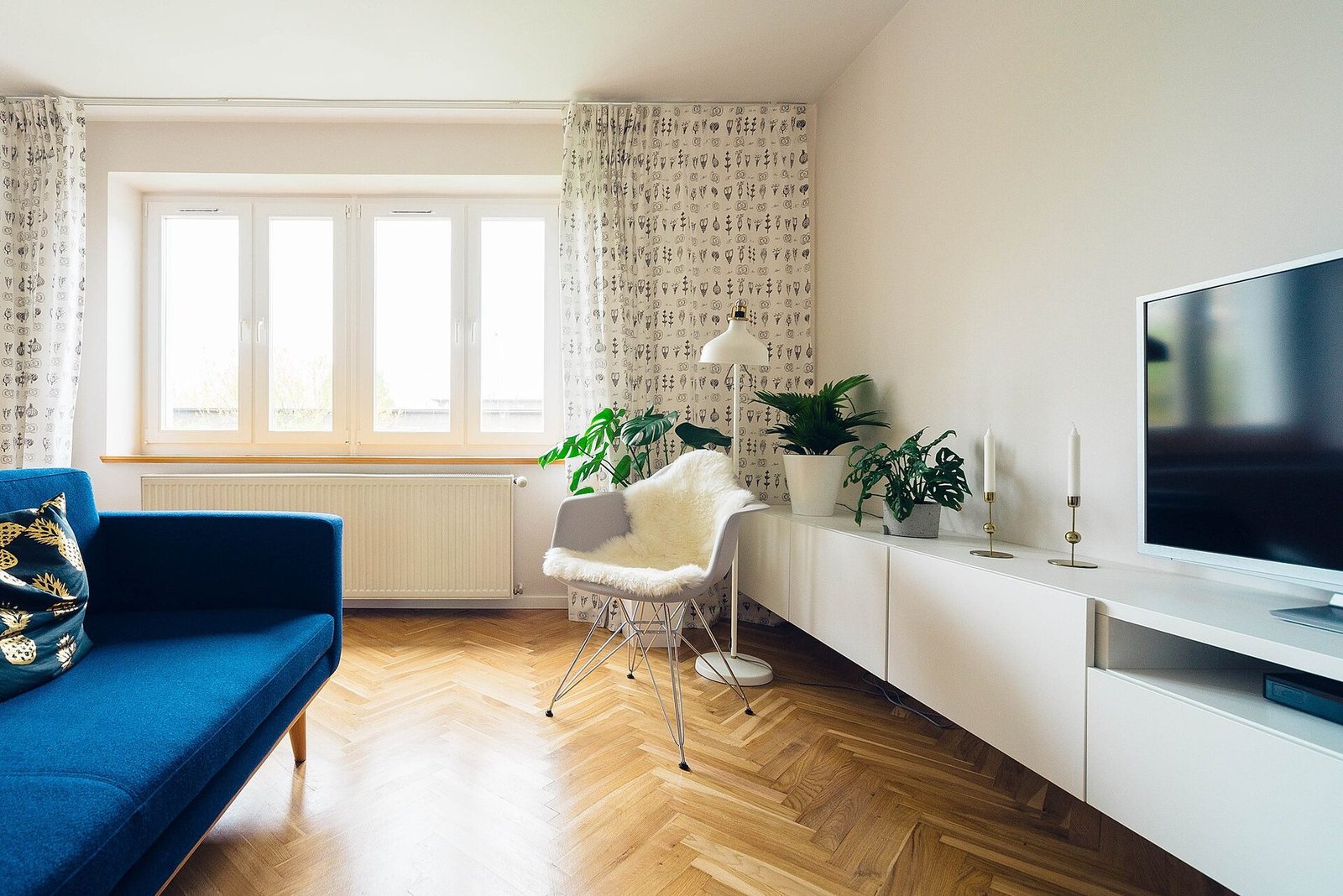
Before a listing shoot, turn on every light in the house, open every blind and curtain, and turn off the ceiling fans and the televisions. Those three steps do more for interior photos than any amount of decorating, because they decide how bright, how even and how calm each room looks on screen. The rest of this article explains why each one matters and covers the small misses that show up in a finished gallery.
Why does every light need to be on?
A room with its lights on reads as warm and cared for. A room with its lights off reads as flat, even when there is plenty of daylight. Lamps and fixtures add small pools of light that give a photo depth, and they brighten the corners that windows do not reach, such as the back of a kitchen, a hallway or an interior bathroom.
On means all of them. That includes ceiling fixtures, recessed cans, lamps, under cabinet lights, the range hood light, vanity lights, closet lights in walk-in closets, the pantry, the laundry room and the lights on the stairs. It includes the porch and patio lights too, since exteriors are part of the shoot and a lit porch looks lived in.
Do this before the photographer arrives, not during. A listing shoot is quick, and a photographer who has to hunt for switches in an unfamiliar house loses time that should go to the photos. If nobody will be home, leave the lights on when you leave. A few hours of electricity is a small cost for a gallery that looks right.
What about burned out and mismatched bulbs?
A dead bulb in a photo looks like a repair the seller did not make. Walk the house a few days before the shoot, look up at every fixture, and replace anything that is out. Multi bulb fixtures are where this gets missed: the vanity bar with one dark globe, the chandelier with a dead candle bulb, the row of cans with a gap in it.
Color matters as much as whether the bulb works. Bulbs come in warm, neutral and cool tones, and a camera picks up the difference more than your eye does. One blue-white bulb in a fixture of warm ones shows plainly in a photo. Mixed tones from room to room make the house look patchy as a buyer clicks through. You do not have to rebulb the whole house, but each fixture should match itself, and the main living areas should agree with each other. When in doubt, pick one tone and buy a box.
Editing can balance color to a degree, and good editing does. It cannot make a dark bulb glow or make four different tones in one open plan room look like a single choice.
Why open every blind and curtain?
Daylight is the best light a house has, and buyers want to see that a home gets it. Open blinds make rooms look larger, show the view of the yard, and tell the buyer that nothing is being hidden. Closed blinds do the reverse. A room photographed with the blinds shut looks smaller and dimmer, and it leaves the buyer wondering what is outside.
For horizontal blinds, either raise them fully or leave them down with the slats turned flat and open. Pick one approach and use it on every window in a room, because three windows at three heights look careless. Raise them fully where the view is worth seeing, such as a pool, a greenbelt, a golf course or a bayou lot. Draw curtains and drapes all the way back and straighten how they hang. Plantation shutters should have the louvers open and level.
There is one fair exception. If a window looks straight at a neighbor's wall, an air conditioning unit or a busy road a few feet away, flat open slats or sheer curtains let the light in while softening what is outside. Light without the view is still better than a closed blind. Tell your photographer about any window like that, and do not ask for a different view to be edited in. The photos should match what a buyer sees at the showing.
Won't bright windows wash out the photo?
Not when the shoot is done properly. Bright windows next to darker walls are the central problem of interior photography, and listing photographers deal with it on every job, usually by combining several exposures of the same view so the room and the window both look natural. That is the photographer's job, not the seller's. Do not close the blinds to help. It removes the light the photo needs.
What the seller can do is clean the glass. Houston humidity, pollen and sprinkler overspray leave a film on windows, and open blinds put that film on display. Clean the inside of the windows in the main rooms, and the outside where you can reach. Wipe the blinds themselves, since dusty slats show in a close view. Remove window screens only if they are damaged or sagging. A torn screen is more visible in a photo than you would expect.
What should be switched off?
Ceiling fans come first. Moving blades blur in a photo, and the longer exposures used indoors make it worse. Turn every fan off early enough that the blades have stopped, and leave the fan's light on if it has one. Many fans run their light and motor from one wall switch, so use the pull chain or the remote to stop the blades and keep the light.
Turn televisions off. A dark screen is neutral, while a show or a paused menu pulls the eye and dates the photo. Turn off computer monitors and put tablets away. Also switch off anything that glows or flickers for no reason, such as a night light or a string of decorative lights. A gas fireplace can stay on in cooler months if it is simple to run and the seller is comfortable leaving it, but it is optional.
The small things that show
A wide photo catches more than people expect. Lamp cords trailing across a wall, a power strip under a desk and a phone charger on the nightstand all show. Tuck cords behind furniture and unplug what is not needed. Straighten lampshades and turn the seams to the wall. Level any picture frames that hang crooked.
Mirrors and glass reflect the room back, so stand in each doorway and look at what they show. A bathroom mirror often reflects the laundry basket or the open closet behind the camera. Close closet doors unless the closet is a feature, close toilet lids, and shut the door to any room that will not be photographed, such as a garage used for storage.
Floors count as well. Vacuum so the carpet lines run one way, and pick up small rugs that hide good tile or wood. Bath mats and kitchen mats almost always look better gone. None of this is decorating. It is removing the little things that read as mess at full screen size on HAR.
The ten minute walk through before you leave
On shoot day, start at the front door and walk the house in a circle, the way the photographer will. In each room, do the same four things: lights on, blinds open, fan off, surfaces clear. Open the door to every room you want in the gallery. Check the porch light and the patio light on the way out. If the seller is doing this and not you, send the four steps in a text the night before. It is short enough that people follow it.
If you have our gate code or lockbox details on the booking, you do not need to meet us at the house, which makes that last walk through the final step before photos. A house left with every light on and every blind open is ready. Our flat prices for photos and for photos with drone are on the pricing page at rephotosvideos.com.
Browse everyone we shoot for →